On Saturday the 23rd of May, from 9 am, we are running a Bioblitz at Victoria Park / Barrambin (meet at the barbecues). We want to get a big crowd together to record as many animals, plants, fungi, insects and any other critters as we can, so we can celebrate the biodiversity the park supports, and create a baseline of what’s at stake, as GIICA plans to fence off most of the park in less than 2 weeks.
This article will get you started with iNaturalist (aka “iNat”) so you can get straight into it, even before the event starts.
Already familiar with iNat? Jump to Barrambin Bioblitz.
New to iNat? Read on.
iNaturalist: what is it?
iNat is a network of enthusiasts recording sightings of anything alive. No need to have any background in ecology, taxonomy or botany. All you need is something to take photos, and some interest in the natural world that surrounds us.
People upload “observations” into iNat, usually using a phone app. In most cases, it’s a picture of what you saw, along with its location and when it was recorded (but you can also submit a sound, e.g. a bird or frog call). The app gives you a suggestion of what the species might be (based on the pictures).
Once it’s on iNat, others can see it and contribute identifications. The data becomes particularly useful once several people agree on which species was observed - that’s the kind of data scientists end up using for studying biodiversity, population dynamics…
So far, more than 300 million observations have been uploaded to iNat! That’s more than 550,000 different species.
iNat is a non-profit organisation, the apps are open source, and the data is open data anyone can make use of.
Getting started with iNat
- Download the app on your phone (from the App Store on iOS, or from Google Play on Android)
- Open the app and follow the steps to create an account
- Log in
Once logged in, you can start recording what you spot:
- Tap the green “new observation” button
- Take a photo (or more)
- The location and time are automatically added to your observation (but you can double-check that the location is accurate enough)
- Tap the “What did you see?” area so you can pick a suggestion from the list (or search for the common name / species if you already know it)
- Save and upload the observation
- Repeat!
As an alternative (or complement) to the mobile app, you can use a more serious camera to take photos - particularly useful if you want to get good photos of birds, or do some macro photography of tiny organisms. In this case, you can upload your photos from your computer later, on the iNat website - but make sure you record the location of each observation if your camera doesn’t automatically attach it to your photos!
Barrambin Bioblitz
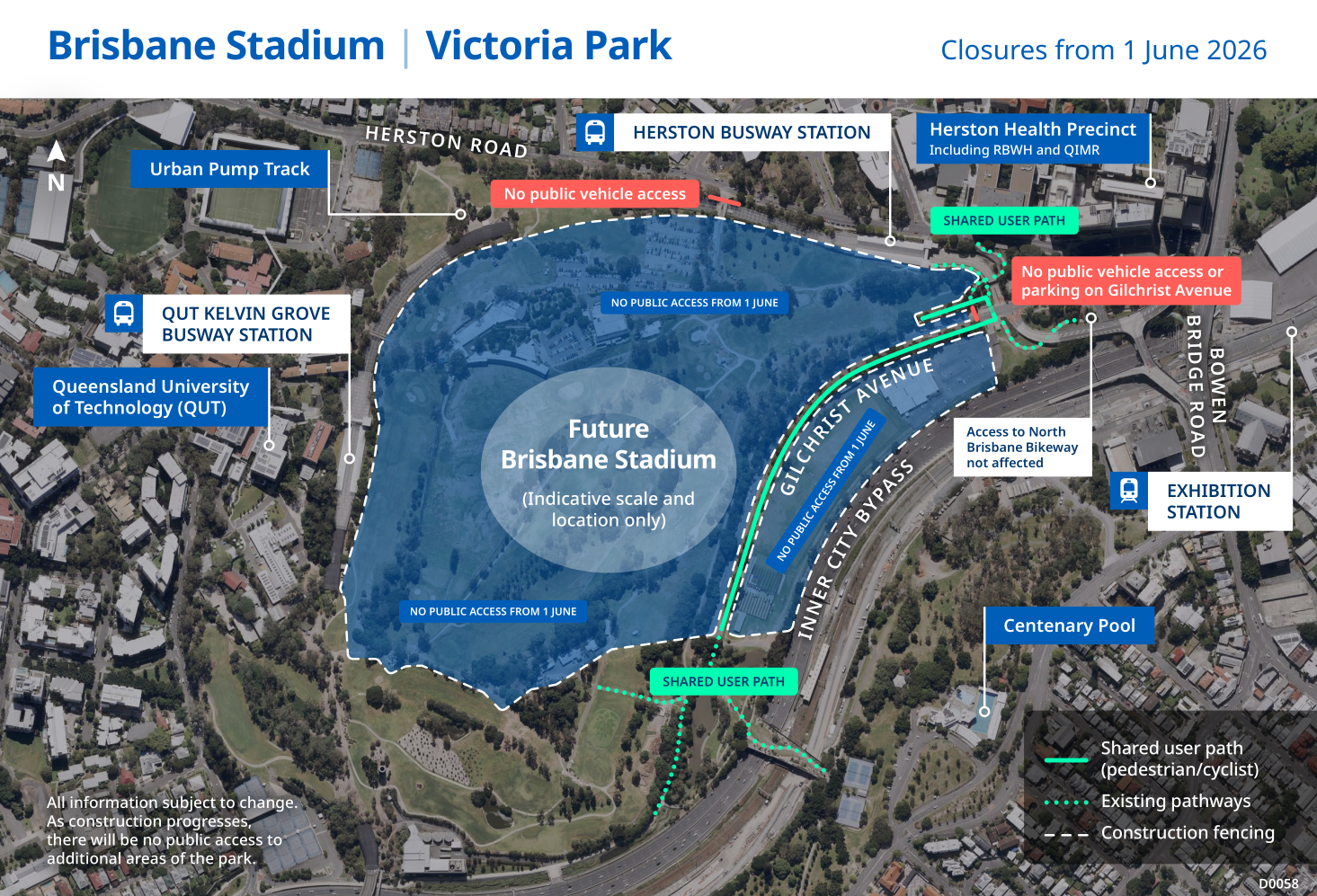
We want to record as many species as we can at Barrambin / Victoria Park! In particular, we want to have good coverage of the area GIICA is planning to fence off on the 1st of June 2026.
You can record anything that’s alive. That means: mammals, insects, birds, spiders, fish, fungi, lichen, mould, trees, shrubs, grasses, weeds… just don’t record other humans!
To get good coverage, and potentially spot more species, remember that crowd-sourced biodiversity can be biased in various ways. Most observations are:
- Close to where people live and travel (in cities, along roads…)
- Made during the day
- Depicting easy to approach, easy to spot organisms. For example: the ubiquitous Water Dragon, Brush Turkey and Australian Ibis.
- Depicting particularly noticeable, or “beautiful”, or rare, or popular organisms. For example: a colourful lorikeet; a cuddly koala; a showy flower.
So if you are able to, try also recording:
- Nocturnal animals (come back in the evening with a good torch) and early risers too
- The “weeds” and the “boring” ones we see everywhere
- In hard-to-reach areas, or inside patches of denser vegetation
- Tree-dwelling and aquatic organisms
- Tiny animals and plants your wouldn’t notice without stopping and looking very closely. Do you maybe have a camera that takes good macro photos?
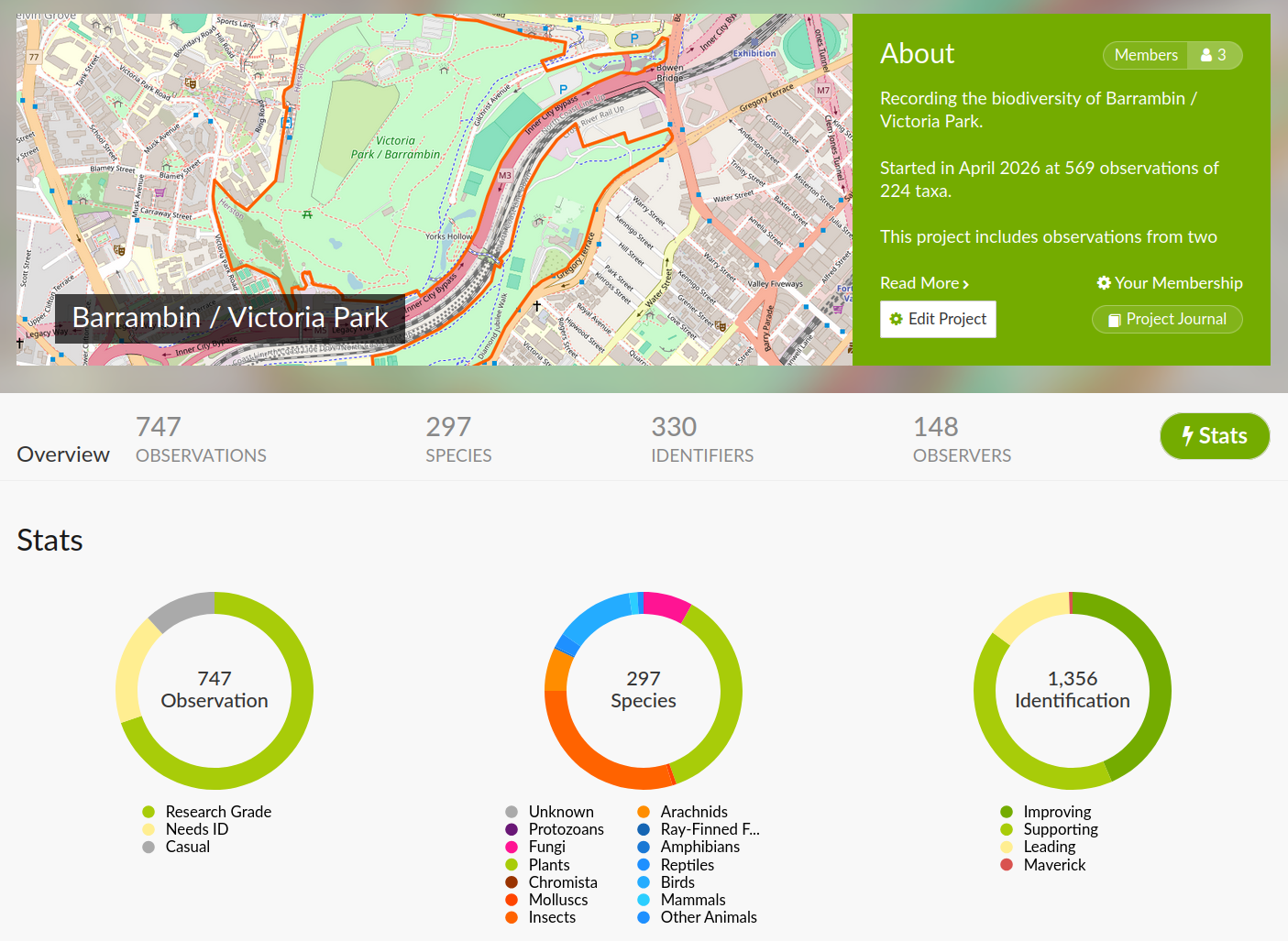
We have an iNaturalist project that automatically collects the observations from the Barrambin area. You can “join” the project right now to get the latest news, find observations that still need IDs, or to just keep an eye on the stats to see how we are progressing!
Beyond the blitz
You can contribute to this project at any time, you don’t have to wait for the event, nor stop when it’s over!
- Do you have old wildlife photos taken at Barrambin? You can create observations from them on your computer, as long as you have an approximate time and location.
- Before the event, feel free to go to the park and contribute observations.
- After the event, please continue to build this valuable dataset! Record what you see every time you go through the park.
Thank you for your invaluable contributions! They can make a huge difference in sending a strong message about what is at stake, and to keep GIICA and BCC accountable.
Other ways to save Barrambin
- Sign the community submission to support the Section 10 Applications
- Donate to the Goori Camp Embassy and join the camp between 29th of May and 2nd of June
- Join actions and learn more with Save Victoria Park